Governor
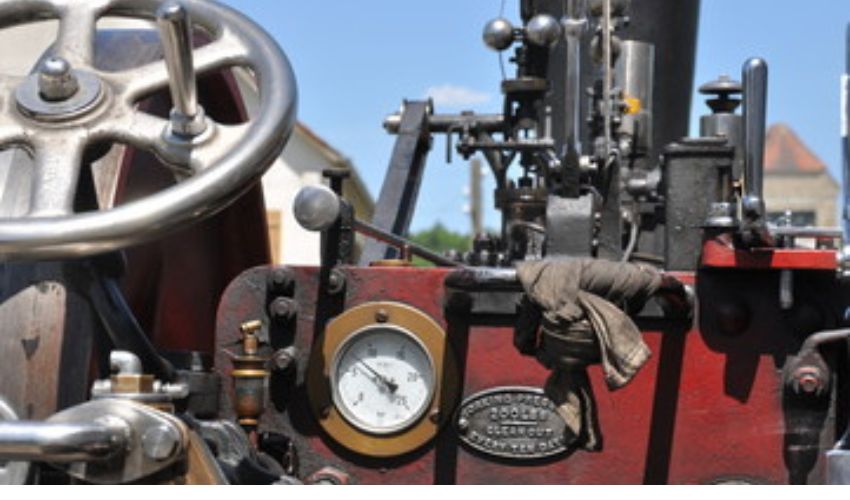
Introduction to Governors:
Governors are essential components in various machines and engines, designed to regulate and control their speed or operation. They play a crucial role in maintaining stability, efficiency, and safety in a wide range of applications, from engines to industrial machinery and power generation systems.
Types of Governors:
- Mechanical Governors: These governors operate based on mechanical mechanisms such as springs, weights, and centrifugal forces. They regulate speed by adjusting throttle position or fuel flow in response to changes in engine speed.
- Electronic Governors: Utilizing sensors and electronic control systems, electronic governors offer precise speed control and greater flexibility. They can adjust engine parameters such as fuel injection timing and throttle position rapidly to maintain desired speeds.
Functions of Governors:
- Speed Control: The primary function of governors is to regulate the speed of an engine or machine within desired limits. They ensure that the device operates at a consistent speed, regardless of changes in load or operating conditions.
- Load Regulation: Governors adjust engine output to match variations in load, ensuring that the machine remains stable and responsive. This is particularly crucial in applications where consistent speed and performance are essential, such as power generation.
- Safety: Governors play a vital role in maintaining safe operating conditions by preventing engines or machines from exceeding safe speeds. They can activate safety mechanisms or limit fuel flow to prevent damage or catastrophic failure.
- Fuel Efficiency: By controlling engine speed and optimizing fuel delivery, governors help improve fuel efficiency and reduce operating costs. They ensure that engines operate at their most efficient speeds under varying load conditions.
Components of Governors:
- Actuators: These are responsible for adjusting throttle position or fuel flow in response to signals from the governor controller.
- Speed Sensors: Governors use sensors to monitor engine speed continuously and provide feedback for speed control.
- Controller Unit: The controller processes speed data and generates signals to adjust engine parameters, such as fuel injection or throttle position.
- Mechanical Linkages: In mechanical governors, linkages connect the governor mechanism to the throttle or fuel system, transmitting control signals based on speed variations.
Applications of Governors:
- Engine Control: Governors are widely used in internal combustion engines for vehicles, generators, and industrial machinery to maintain speed and regulate power output.
- Power Generation: Governors play a crucial role in controlling turbines and generators in power plants to ensure stable grid operation and prevent frequency deviations.
- Industrial Machinery: Governors are employed in various industrial applications, such as pumps, compressors, and machine tools, to maintain consistent speeds and improve productivity.
Importance of Governor Maintenance:
Regular maintenance of governors is essential to ensure their proper operation and reliability. This includes periodic calibration, inspection of mechanical components for wear, and testing of sensors and actuators. Proper maintenance helps prevent malfunctions and ensures that governors continue to perform effectively over their lifespan.
Conclusion
Governors are indispensable devices used in engines, machinery, and power generation systems to regulate speed, maintain stability, and ensure safe and efficient operation. Whether mechanical or electronic, governors play a vital role in controlling engine output, optimizing fuel efficiency, and enhancing overall system performance across a wide range of applications.