Piston Rings
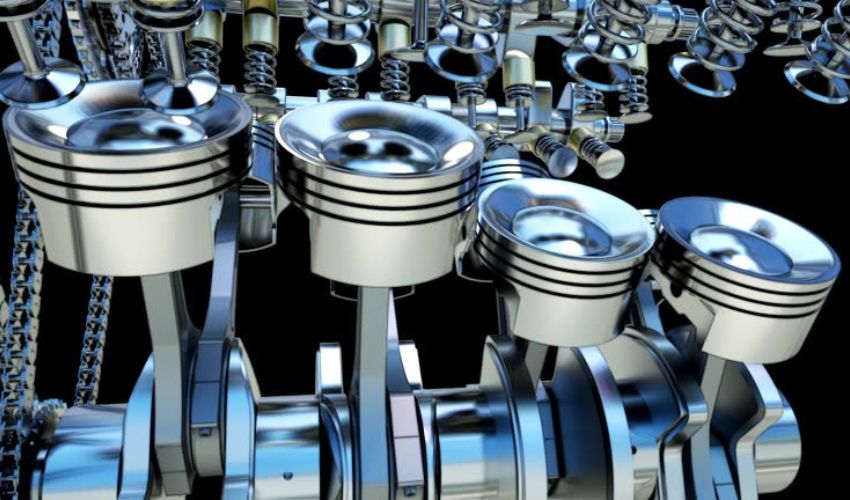
Introduction to Piston Rings:
Piston rings are critical components in internal combustion engines, forming a seal between the piston and the cylinder wall. They play a vital role in engine performance by sealing the combustion chamber, regulating oil consumption, and transferring heat from the piston to the cylinder wall. Here's a comprehensive overview of piston rings, their types, functions, materials, and maintenance:
Types of Piston Rings:
- Compression Rings: These rings are located near the top of the piston and are responsible for sealing the combustion chamber during the compression and power strokes. They prevent leakage of gases into the crankcase and maintain high compression ratios.
- Oil Control Rings: Positioned lower on the piston, oil control rings regulate the amount of oil that enters the combustion chamber while also scraping excess oil from the cylinder walls. They help prevent oil from mixing with the air-fuel mixture and reduce oil consumption.
Functions of Piston Rings:
- Sealing: The primary function of piston rings is to create a tight seal between the piston and the cylinder wall, preventing leakage of gases from the combustion chamber and maintaining high compression pressures.
- Heat Transfer: Piston rings help transfer heat from the piston to the cylinder wall, assisting in cooling the piston and maintaining optimal operating temperatures.
- Oil Control: Oil control rings regulate the amount of lubricating oil that enters the combustion chamber, preventing excessive oil consumption, fouling of spark plugs, and formation of carbon deposits.
- Reduction of Friction: Piston rings reduce friction between the piston and the cylinder wall, ensuring smooth movement of the piston and minimizing wear on both components.
Materials Used:
- Cast Iron: Traditional piston rings are often made from cast iron due to its excellent wear resistance, thermal stability, and compatibility with various cylinder materials.
- Steel: Steel piston rings are used in high-performance engines where increased strength and durability are required. They can withstand higher temperatures and pressures compared to cast iron rings.
- Chrome Plating: Some piston rings feature a chrome-plated surface to enhance wear resistance, reduce friction, and improve sealing properties.
Installation and Maintenance:
- Proper Installation: Piston rings must be installed correctly to ensure optimal performance and longevity. This includes proper ring orientation, gap alignment, and appropriate ring end clearance.
- Regular Inspection: Periodic inspection of piston rings is essential to detect signs of wear, damage, or excessive oil consumption. Symptoms such as low compression, blue smoke from the exhaust, or increased oil consumption may indicate worn piston rings.
- Replacement: When piston rings become worn or damaged, they should be replaced promptly to prevent further engine damage and maintain performance. Replacement typically involves removing the piston from the engine and installing new rings according to manufacturer specifications.
Conclusion
Piston rings are critical components in internal combustion engines, responsible for sealing the combustion chamber, controlling oil consumption, and reducing friction. Proper selection, installation, and maintenance of piston rings are essential to ensure optimal engine performance, efficiency, and longevity. By understanding the functions, materials, and maintenance requirements of piston rings, engine builders and mechanics can optimize engine performance and reliability.